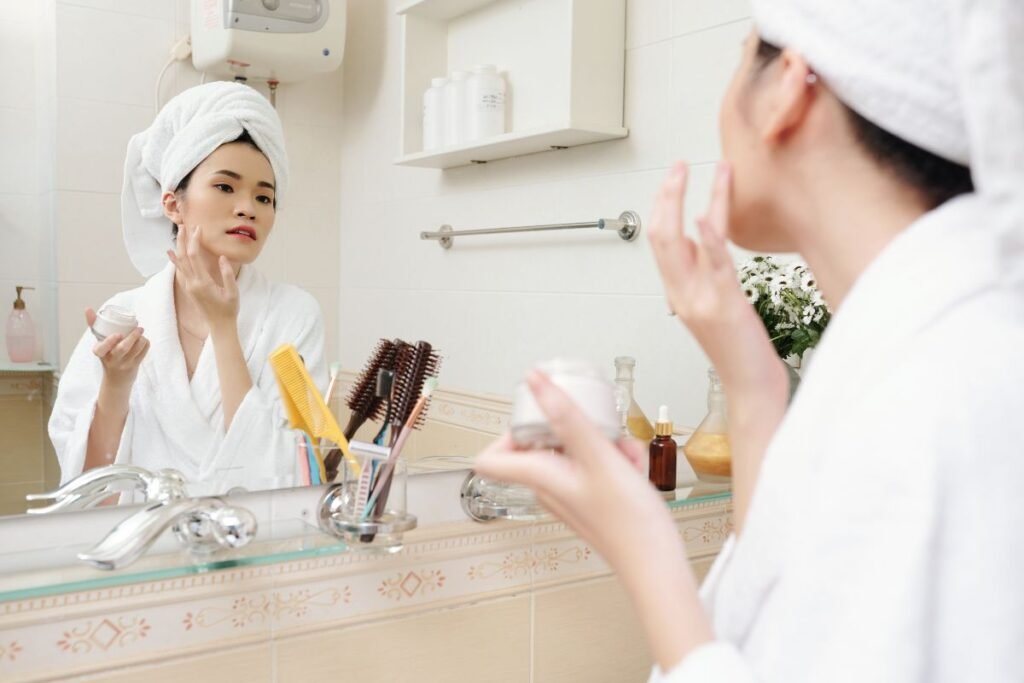
A good moisturiser for dry skin is a fragrance-free cream that attracts and binds water molecules, softens the skin, and traps moisture. Look for ceramides, glycerine, hyaluronic acid, squalane, and shea butter. Ignore the price tag.
- Dry skin is short on oil. Dehydrated skin is short on water. Two different problems.
- A decent cream does three jobs at once: humectant, emollient, and occlusive.
- Fragrance, botanicals, and alcohol denat are usually what’s making things worse.
- Creams beat lotions for the body. Lotions and gels suit the face, unless you’re very dry.
- You can spend £2 or £305. Between £10 and £30, most people buy everything they need.
- Moisturise within three minutes of getting out of the shower, on damp skin.
Why Dry Skin is a Big Problem in the UK
British weather is a nightmare for skin. Biting cold outside, blasting central heating inside, and hard water in half the country. Then there are years of using creams that were never rich enough in the first place. Skincare Online makes a fair point that plenty of people are doing everything right on paper and getting nowhere, purely because the product wasn’t built to fix the actual cause. And it shows. Fine lines look deeper, skin looks grey rather than glowy, and makeup sits in patches.
What Makes a Moisturiser Good for Dry Skin?
A good moisturiser contains all three types of ingredients. Dr Ifeoma Ejikeme, skin expert and founder of Adonia Medical Clinic, says in The Guardian’s three-month test of 25 creams: Humectants pull water in, emollients soften, and occlusives lock it down. Humectants such as glycerine, urea and hyaluronic acid attract and bind water, helping the outer layer of skin stay hydrated. Hyaluronic acid holds up to 1,000 times its weight in water. Glycerine, urea, panthenol, lactic acid, sorbitol and propylene glycol all count.
On a bone-dry day, there’s less moisture in the air to grab. Emollients fill in the cracks. Cleveland Clinic dermatologist Dr Alejandra Estemalik compares them to asphalt patches on a pothole-ridden road, which is spot on. Squalane, shea butter, cocoa butter, mineral oil, jojoba, sunflower seed oil, olive oil and avocado smooth the surface instantly. Occlusives are the lid. Petrolatum, dimethicone, lanolin and beeswax stop water evaporating. If you ignore it, your skin may feel great for an hour, but then it will feel tight again by lunch. Ceramides get their own mention. Roughly half your outer skin layer is built from them, so synthetic ones top up what’s gone missing. Look for ceramide 1 (EOS), ceramide 3 (NP) and ceramide 6-II (AP).
Ingredients to Look For and Ones to Bin
These are worth having: ceramides, hyaluronic acid, glycerine, panthenol, squalane, niacinamide, peptides, vitamin E, shea butter, and lycopene. Avoid these: alcohol denat., which strips the barrier and usually appears high up the list on lightweight creams. Then fragrance. The British Association of Dermatologists flags it as a common irritant, and Dr Estemalik states that fragrance is like sugar: we all want it, and it’s bad for us.
Botanicals aren’t the safe option people assume. Lavender, tea tree, rose oil, peppermint, citrus oils, limonene, eugenol, balsam of Peru, ylang-ylang and thyme are all frequent allergens. “Fragrance-free” on the front doesn’t mean allergen-free on the back. One more thing: check your cleanser. A sulphate-heavy wash can undo everything your moisturiser is trying to do.
Also Read: Best Reading Lamps for Armchairs, Paperbacks, and Nights
Cream or Lotion?
Lotions are generally light and contain less oil than creams, while ointments contain the most oil and are usually the most occlusive. For very dry skin, creams or ointments are generally more effective than lotions. The body gets a cream. The face gets a lighter lotion or gel, unless you’re genuinely very dry, in which case go rich. For the face, make sure it says non-comedogenic. Facial skin is thinner and more reactive than the rest of your skin.
The Best Moisturisers for Dry Skin in the UK
| Best for | Product | Key ingredients | Size & price |
| Overall | Aestura Atobarrier365 Cream | Ceramides, fatty acids, cholesterol | 80ml, ~£17 |
| Cheap and brilliant | CeraVe Moisturising Cream | Ceramides, hyaluronic acid, MVE tech | 454g, from £7 |
| Tightest budget | Simple Hydrating Light Moisturiser | Panthenol, glycerine, vitamin E | 125ml, £2.29 |
| K-beauty | Haruharu Wonder Black Rice 5 Ceramide | 5 ceramides, fermented black rice | 50ml, from £13.30 |
| Eczema-prone | Illiyoon Ceramide Ato Concentrate | Ceramides, ginseng root, shea | 75ml, from £8.07 |
| Emergencies | La Roche-Posay Cicaplast Baume B5 | Panthenol, madecassoside, glycerine | 40ml, from £8 |
| Redness | La Roche-Posay Toleriane Rosaliac AR | Neurosensine, green pigments | 50ml, ~£22 |
| Luxury | Augustinus Bader The Rich Cream | TFC-8, squalane, hyaluronic acid | 50ml, £155–£250 |
Prices shift between retailers, so check before you buy. A few extras worth knowing. British Vogue’s top pick is SkinCeuticals Triple Lipid Restore 2:4:2 at £150 — cholesterol, ceramides and fatty acids, which help reduce retinol dryness. Glamour’s testers gave Aestura the top spot, pointing out that its encapsulated ceramides absorb around 80% better than standard ones. The Aestura is allergy-tested, colourant-free and fragrance-free too. If you want the professional route, Environ’s AVST range uses a step-up system — start at AVST 1 and build up as your skin adapts. The vitamin A improves how well skin holds water over time, but give it months, not days. Environ’s Focus Care Youth+ Filler Creme (30ml, £85) layers on top for extra hydration.
For dry skin that also flushes, GIGI PRS7 Clear Redness Care (50ml) uses chamomile and azulene to calm things down. And Holy Land Age Defence CC Cream SPF 50 offers moisture, protection, and light coverage all in one. Other solid shouts: Dermalogica Intensive Moisture Balance (£45–£74), Obagi Medical Hydrate Luxe for nights, Rhode Barrier Restore Cream (£32), Skinfix Barrier+ (£52), Embryolisse Lait-Crème Concentré (£18–£22) and Charlotte Tilbury’s Magic Cream (£54) for makeup prep.
Dry or Dehydrated? Do the Pinch Test
They feel almost identical — rough, red, itchy, tight — but they need different products. Dry skin doesn’t make enough sebum. Dehydrated skin has lost water from the epidermis. Pennsylvania dermatologist Dr Nazanin Saedi has an easy test: pinch your skin. The pinch test can offer a rough clue, but it isn’t a reliable way to diagnose dehydration. Slow skin recoil can be associated with dehydration, but other factors, including age and skin elasticity, can affect the result.
How to Keep Dry Skin Moisturised
- Shower less: Every other day, not daily. Over-washing creates micro-irritations that build up over months into cracked, infection-prone skin.
- Lukewarm, not hot: Hot water evaporates even more moisture.
- Five to ten minutes max: Focus on your armpits, groin, and feet.
- Don’t dry off properly: Pat until you’re not dripping, then cream up within three minutes.
- Layer over a serum: Hyaluronic acid serum first, then cream on top to seal it.
- Don’t skip the eyes: Thinner skin, faster water loss.
- SPF every single morning: Moisturiser first, wait two to three minutes, then SPF 30+. Never mix them in your palm — diluting it wrecks the protection. Mineral filters like zinc oxide or titanium dioxide are worth seeking.
Do it after every wash. Consistency matters more than the product, especially with eczema or atopic dermatitis.
Also Read: Steve Heapy Jet2 Statement: CEO Calls for Urgent Action After Latest NATS Failure
Day, Night, and the Seasons
Skin gets more permeable overnight and does most of its repair work while you sleep, so save the rich, barrier-focused stuff for evening. Daytime is for defence — antioxidants and SPF. In winter, go thicker and ease off the salicylic acid, glycolic acid, toners and retinoids. Don’t over-exfoliate trying to shift flakes either; you’ll just make it worse. In summer, skin produces more oil naturally, so a lighter gel or water-based formula usually does. Your cream isn’t working if skin feels tight within two to three hours, looks dull by midday, or feels smooth then rough again a few hours later.
FAQs
What’s the best moisturiser for very dry skin in the UK?
Ans: A thick ceramide cream. CeraVe or Illiyoon if you’re watching the budget, and Cicaplast Baume B5 if your barrier is properly damaged.
Cream or balm for very dry skin?
Ans: Balms are more occlusive, so they seal better — ideal overnight or when skin’s really struggling. Creams are nicer for everyday.
How much should I spend?
Ans: £10–£30 covers most people. Unless a doctor prescribed something post-treatment, there’s no need to go over £100 for 50ml.
How long until I see a difference?
Ans: Surface hydration improves in a few days. Deeper changes from vitamin A take six to twelve weeks of daily use.
Do I need a different cream in winter?
Ans: Not always, but most people are more comfortable switching to something richer once the heating goes on.
Can I use a moisturiser with SPF instead of sunscreen?
Ans: Better than nothing, but almost everyone under-applies. A separate SPF over the top is safer.
Sources & References
- British Vogue – Top pick is SkinCeuticals Triple Lipid Restore 2:4:2 at £150 — cholesterol, ceramides and fatty acids, which help reduce retinol dryness.
- The Guardian – Humectants pull water in, emollients soften, and occlusives lock it in.
- Skincare Online – Many people are doing everything right on paper and getting nowhere, purely because the product wasn’t built to fix the actual cause.
- Cleveland Clinic – Dermatologist Dr Alejandra Estemalik compares them to asphalt patches on a pothole-ridden road, which is spot on.




Leave a Reply