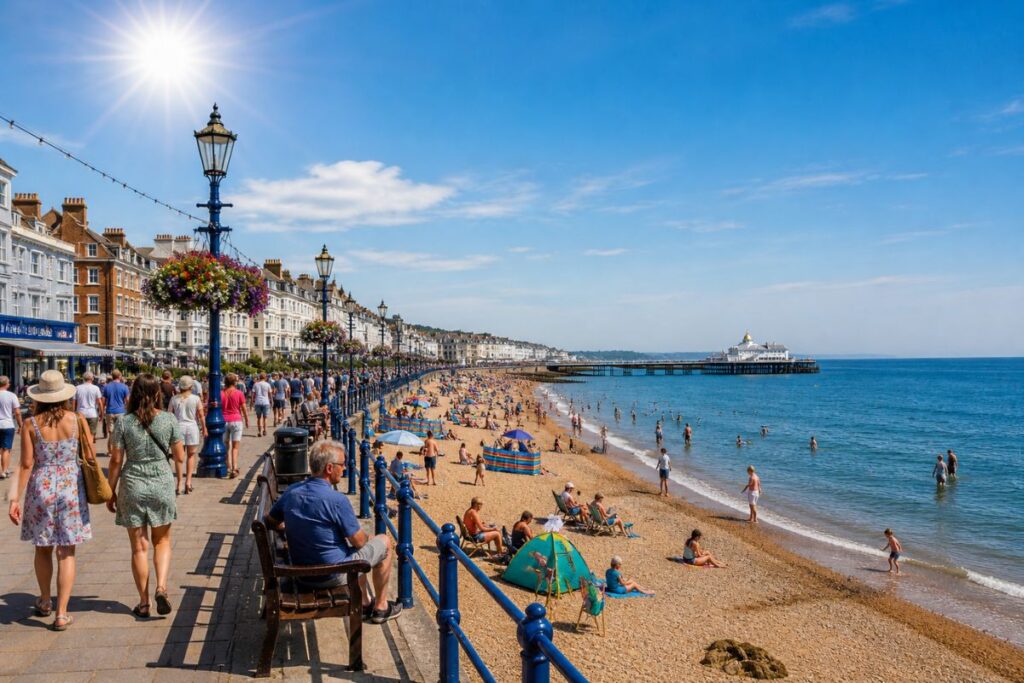
Britain brings rainy visions to mind. Gray skies dominate general perception. Yet, specific regions receive way more rays. You know, geography changes everything here. Coastal pockets offer surprisingly bright days.
So, what is the sunniest place in the UK?
Measurement methods alter top answers. Still, Bognor Regis on the south coast of England is one of the strongest mainland contenders. Official Met Office 1991–2020 records show Bognor Regis gets 1,919 hours of sunshine a year. The total UK national average sits near 1,403 hours annually. That means Bognor gets nearly 37% more light. Other southern spots like Eastbourne post great totals too.
Planning a domestic trip? Target the southern coast of England. It gives you the highest odds for clear skies.
What Is the Sunniest Place in the UK?
Bognor Regis is one of the sunniest places in mainland UK, with about 1,919 hours of sunshine per year based on the Met Office’s 1991–2020 climate average.
No permanent official crown exists. Ranks shift across recording stations. Different timeframes tweak overall numbers.
One clear trend remains obvious. Southern coastal England consistently performs well for sunshine.
Why Is Southern England So Sunny?
The UK’s weather depends on North Atlantic currents. Yet brightness spreads unevenly across counties.
Southern areas benefit from low latitudes. Sheltered positions guard against heavy western rains. Northerly fronts lose power heading south.
This dynamic shields Sussex resorts. Places like Bognor outshine inland averages comfortably.
Late spring amplifies these regional shifts. Longer summer days compound clear morning skies.
Bognor Regis: One of the UK’s Leading Sunshine Spots
Searching for the sunniest place in the UK? Bognor Regis belongs at the top.
Nestled in West Sussex, this resort holds historic resort fame.
Met Office metrics confirm 1,919 annual sunshine hours. July leads with 254 hours. June follows close behind at 238 hours. These figures beat London’s 1,633 annual hours easily.
Cloudless mornings are not guaranteed daily. Averages describe trends, not weekend guarantees.
Still, data favors this coastline. It suits trip planning across Britain.
How Much Sunshine Does Bognor Regis Get?
Met Office stats detail monthly light variations well.
| Month | Average sunshine |
|---|---|
| January | 74.7 hours |
| February | 92.8 hours |
| March | 137.2 hours |
| April | 197.8 hours |
| May | 235.0 hours |
| June | 237.9 hours |
| July | 253.7 hours |
| August | 232.7 hours |
Summer output dwarfs winter performance. July delivers three times January’s light.
This seasonal surge makes midyear trips rewarding.
Let’s compare regional sunshine across various regions. The table below highlights national variances.
| UK Location / Region | Annual Sunshine Hours | Comparison vs UK Average |
|---|---|---|
| Bognor Regis (West Sussex) | 1,919 hours | +36.8% higher |
| Eastbourne (East Sussex) | 1,837 hours | +30.9% higher |
| Isle of Wight (Shanklin) | 1,923 hours | +37.0% higher |
| London (Gatwick area) | 1,633 hours | +16.4% higher |
| UK National Average | 1,403 hours | Baseline standard |
| Glasgow (Scotland) | 1,203 hours | -14.2% lower |
Southern regions hold an unquestioned lead. Northern industrial centers lag far behind. clear coastal skies explain this gap.
Eastbourne Is Another Major Sunshine Contender
Bognor Regis is not alone on the south coast.
Eastbourne in East Sussex sits right behind.
Official averages register 1,837 annual sunshine hours. July logs 252 hours. June delivers nearly 238 hours.
Eastbourne holds historic weather records. In July 1911, it logged 383.9 hours. That remains a national monthly record. Yet, extreme spikes differ from long-term trends.
Beyond weather, the town appeals visually. Hike the nearby South Downs cliffs.
Bognor Regis vs Eastbourne: Which Is Sunnier?
Met Office 1991–2020 comparisons favor Bognor Regis for total annual hours.
| Destination | Annual sunshine | Climate period |
|---|---|---|
| Bognor Regis | ~1,919 hours | 1991–2020 |
| Eastbourne | ~1,837 hours | 1991–2020 |
Bognor wins this specific dataset matchup.
However, yearly statistics cannot guarantee instant daily sun. Rain can hit any holiday week.
Check live local forecasts right before travel.
Other Sunny Places in the UK
Bright spots stretch across the whole English Channel.
Several coastal towns boast impressive conditions.
Folkestone, Kent
Folkestone delivers strong weather on the Kent border.
Enjoy the revamped harbour arm and pebble beaches. Channel views stay clear on crisp afternoons.
It pairs seaside fresh air with creative town energy.
Hastings, East Sussex
Hastings combines decent weather stats with historic sites.
Explore fishing nets, old alleys, and cliff railways.
It offers broad appeal beyond basic beach lounging.
Shanklin, Isle of Wight
Island locations alter regional weather comparisons dramatically. The Isle of Wight claims extreme light levels.
Shanklin features sandy beaches and thatched tea rooms.
Island microclimates foster distinct, bright holiday conditions.
Which Part of the UK Gets the Most Sunshine?
Broadly speaking, southern England dominates all brightness metrics.
Met Office maps highlight southern coastal dominance clearly.
Top sunshine clusters center in these regions:
- West Sussex
- East Sussex
- Kent
- Hampshire
- Dorset
- The Isle of Wight
Northern and western territories face frequent Atlantic clouds. Yet, sunny spells happen everywhere nationwide.
What Is the Sunniest Month in the UK?
Peak brightness varies slightly by location.
Overall, late spring and early summer yield optimal light.
Bognor Regis hits 254 sunshine hours in July. That represents its brightest monthly station average.
Eastbourne records similar trends, averaging 252 hours in July.
Best months for a sunny UK holiday
June: Long daylight hours and strong clarity.
July: Maximum statistical light across southern beaches.
August: Warm waters, though cloud cover increases slightly.
September: Mild temperatures with fewer tourist crowds.
Is the Sunniest Place in the UK Also the Warmest?
Not necessarily.
This distinction trips up many travelers.
Sunshine measures light duration. Temperature measures atmospheric heat energy.
A bright coastal resort can stay surprisingly cool. Sea breezes cap summer temperatures sharply. For instance, London hit 40.3°C in 2022. Yet, coastal Bognor stayed much cooler during that heatwave.
Prioritize sunshine stats for clear outdoor light.
Prioritize heat averages for warm swimming weather.
Combine temperature, wind, and rain data for balanced trips.
Why Sunshine Hours Matter for Travellers
Light stats serve practical travel planning goals.
They guide smarter destination choices.
Clearer weather expands daily holiday options:
- Beach days
- Coastal walks
- Outdoor dining
- Photography
- Cycling
- Sightseeing
- Outdoor attractions
- Sunset walks
High historical averages do not block sudden rain.
Even Sussex encounters bad summer weeks.
Use long-term climate data to choose locations and short-term forecasts to pack.
Is Britain Really That Sunny?
Compared to southern Europe, Britain lacks reliable heat.
However, blanket grey stereotypes distort reality.
Regional variation across the UK is massive. The south coast outperforms northern totals easily.
The overall UK annual average sits near 1,403 hours. Southern coastal stations exceed 1,900 hours consistently.
So, the south coast disproves endless grey myths.
Best Things to Do on a Sunny UK Trip
Spend a Day at the Beach
Clear skies make south-coast beaches inviting.
Bring sun cream, water, and windbreakers.
Take a Coastal Walk
Walking trails showcase cliff scenery effectively.
Eastbourne’s Seven Sisters paths offer incredible sea views.
Explore the Seafront
Promenades offer traditional pier snacks and ice cream.
Plan Outdoor Activities
Clear weather improves cycling and photo opportunities.
Stay for Sunset
Summer daylight stretches well past 9 PM.
Evening promenade walks capture great coastal light.
Sunniest Places in the UK: Quick Comparison
| Place | Region | Why Visit? |
|---|---|---|
| Bognor Regis | West Sussex | Top mainland sunshine records |
| Eastbourne | East Sussex | Pier, beaches, and South Downs access |
| Folkestone | Kent | Harbour walk and Channel views |
| Hastings | East Sussex | Historic Old Town and cliff funiculars |
| Shanklin | Isle of Wight | Charming beaches and thatched cottages |
Data referenced here comes from Met Office 1991–2020 climate sets.
Frequently Asked Questions
What is the sunniest place in the UK?
Bognor Regis holds top mainland status. It logs about 1,919 sunshine hours annually.
Is Bognor Regis sunnier than Eastbourne?
Yes, Met Office data shows Bognor ahead. It beats Eastbourne’s 1,837 hours by roughly 82 hours.
Which part of the UK gets the most sunshine?
Southern coastal England logs the highest overall sunshine hours.
What is the best time to visit the sunniest place in the UK?
June through August offers maximum light duration. July stands out as the sunniest month.
Is the UK good for a sunny beach holiday?
Yes, south coast summer spells offer great beach days.
Is the sunniest place in the UK also the hottest?
No. Coastal winds keep bright spots cooler than inland cities.
Also Read: Deionised Water vs Distilled Water: What’s the Difference?
Final Verdict
So, what is the sunniest place in the UK?
Dataset choices alter precise rankings slightly. Yet Bognor Regis remains the clear mainland winner.
Its 1,919 annual hours top Eastbourne’s 1,837 hours cleanly.
The key travel takeaway is simple:
Target the south coast of England for maximum sunlight.
Resorts like Bognor, Eastbourne, and Folkestone deliver reliable beach weather.
Always remember local climate rules: climate shows the general odds; forecasts show your actual trip weather.




Leave a Reply